
Once Upon A Galaxy
Million Dreams GamesCard
4.1759.00 Reviews
- Version
- 2.0.25
- Installs
- 100.00K
- Age Rating
- Everyone
Screenshots
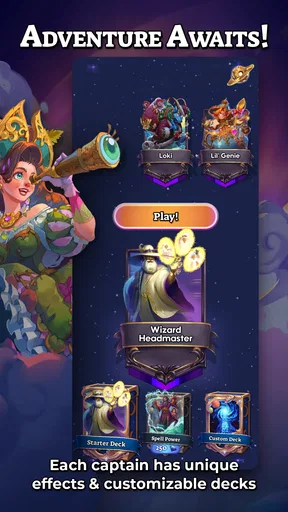
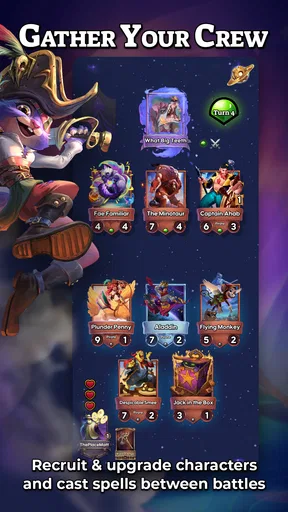
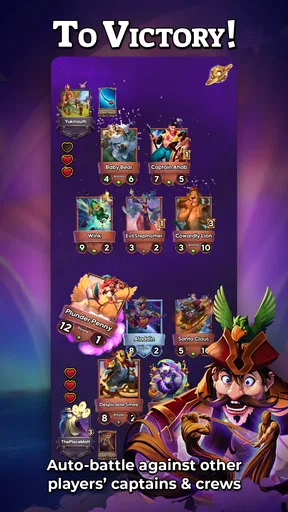
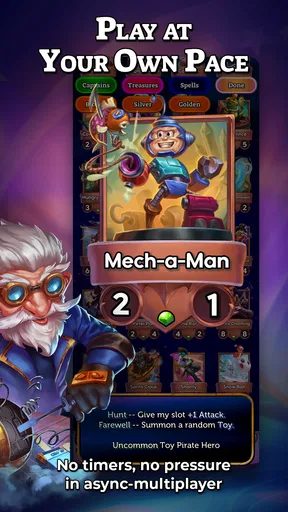
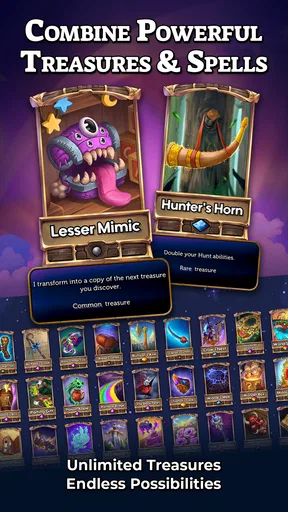
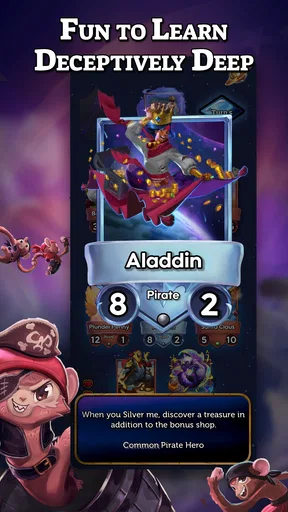
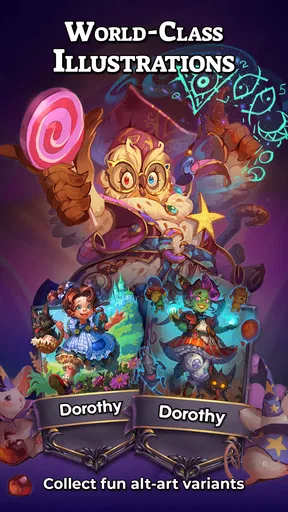
Our Review of Once Upon A Galaxy
 Analysis by Appyee
I approach Once Upon A Galaxy as a first-time player expecting a card game, not a space exploration simulator. Its core appeal is fantasy card battling: the pleasure comes from considering options, building a plan, and seeing how a draft shapes a match. That distinction matters because the published description of a sprawling galaxy can suggest planet-hopping strategy, while the game’s actual category is card. I’d install it for compact, tactical decisions rather than for a map to roam or a long science-fiction campaign.
What to expect from a fantasy card battler
Once I understand that framing, the name’s whimsical, cosmic tone becomes a bit of flavor around a more focused activity. Drafting means choices matter before a battle is settled: what I select influences the tools and combinations available to me later. That makes each run interesting in a different way from a conventional card game where I simply bring a fixed deck and follow a familiar plan. I enjoy that sense of adapting, though it also means a favorite strategy may not always be available.
The game is free to download, and its developer is Million Dreams Games. It has a 4.6 average from around 3,500 ratings, with more than 50,000 installs. Those figures suggest that players have found an audience for its particular blend, but they don’t tell me whether its pacing or decision-making will suit me. I’d treat the first few sessions as a low-pressure test: notice whether I enjoy choosing between imperfect options, rather than judging it by how quickly I win.
Starting without overthinking the setup
For a new player, I’d keep the first launch simple. The game is rated Everyone and supports Android 5.0 or later, so it can suit a broad range of Android users. It is currently at version 2.0.11. I’d make sure I’m comfortable with the basics before spending time or money: learn what a card contributes, read the choices presented during a draft, and take a moment to see how a selection affects the next decision. A card battler can feel confusing when I rush past the text and then try to work out why a plan fell apart.
There are in-app purchases, priced from $4.99 to $99.99 per item, so “free” describes the download rather than every possible purchase. I would not buy anything simply because a first match feels difficult. In drafting games, a rough early result may come from unfamiliarity or a set of choices that did not fit together; paying is not the same as learning which options work for me. If I’m trying it casually, I can first decide whether I enjoy the basic loop and leave purchase decisions until I have a reason to make them.
Your first meaningful win is a learning exercise
I’d define a successful first session more broadly than winning. A useful first result is noticing one choice that helped and one that made later turns awkward. For example, if I select a card because it looks powerful but can’t make it work with the rest of my draft, I’ve learned to consider fit as well as individual strength. That small adjustment gives me something actionable to carry into the next attempt, even if the match itself doesn’t go my way.
A practical habit is to pause at each draft decision and ask two questions: what can this option do now, and what kind of other choice would make it more useful later? I don’t need to predict an entire match. I just need to avoid collecting attractive cards without a plan. This approach makes the game easier to read, and it helps me tell the difference between a bad outcome and a decision I can improve.
Where the learning curve can snag
The main friction for me is the mental load of comparing cards while I’m still learning what their roles mean in practice. A drafting game asks me to evaluate both the current pick and its possible fit with later picks, and that can be a lot to process in a short session. I’d rather make a sensible choice and learn from the result than stop play to chase a perfect combination. If I want a very relaxed game that asks little planning, a simple matching or solitaire-style card game will probably be a better fit.
It is also worth separating the game’s theme from the experience I’m looking for. The original published article describes planets, space battles, alliances, and a story-led campaign, but those details are not a sound basis for choosing this card game. I would come for the drafting and battling, not assume there is a galaxy map, a deep narrative, or a particular multiplayer mode. That expectation check can save a first-time player from downloading it for the wrong reason.
Compared with familiar collectible-card games built around preparing a deck in advance, drafting puts more emphasis on responding to what appears during play. That can make it appealing when I want variety without treating every session as a test of a carefully assembled collection. The trade-off is that I may have less control over a preferred build. Compared with quick, luck-heavy card games, it asks for more deliberate choices; compared with a long strategy game, it keeps the focus on card decisions rather than broad campaign management.
A routine that makes the choices clearer
In an everyday setting, I’d use it for a short break when I have enough attention to follow a sequence of decisions but don’t want to settle into a lengthy strategy session. I might play while waiting for an appointment, then think back afterward about whether I passed over a useful option too quickly. If interruptions are likely, I’d avoid starting at a moment when I need to keep every detail in mind. Drafting is most satisfying when I can give the choices a little attention.
One non-obvious tip is to judge a card by the job it performs in the draft, not by whether it looks impressive on its own. A modest choice that supports a coherent direction may be more valuable than a flashy one that sends the plan in a different direction. Another is to notice when I’m choosing a card because I want it to be useful, rather than because I can explain how it fits. That simple distinction helps me build a more deliberate approach without needing specialist knowledge.
I’d also keep a mental note of the kinds of decisions that repeatedly leave me stuck. If I often reach a point where my picks don’t seem to work together, I can try committing earlier to a broad plan and passing on tempting distractions. If I feel boxed in instead, I can stay flexible for longer and avoid treating the first promising card as a commitment. Those are useful experiments, not guaranteed winning formulas; the point is to discover which style makes the drafting process clearer for me.
Who should give it a try
I’d recommend it to someone who likes card games with choices that accumulate into a strategy, especially if they enjoy adapting rather than bringing the same complete plan to every match. It can also suit a player who wants a free starting point before deciding whether a drafting battler deserves a regular place on their phone. The app has 564 written reviews as well as its larger pool of ratings, but I’d still use my own first sessions to judge the pace and complexity that matter to me.
I’d skip it if I’m mainly looking for a story-driven space adventure, a quiet game with almost no planning, or a card game where I can rely on a fixed deck and familiar combos. Those aren’t criticisms so much as mismatches: the best alternative depends on what I want from a break. Someone who enjoys tuning a deck beforehand may be happier with a conventional deck-builder, while someone who wants a narrative journey should choose a game designed around exploration and story rather than infer those elements from this title’s name.
Gameplay That’s Out of This World
So, what's the deal with Once Upon A Galaxy? Imagine a blend of strategy, adventure, and a touch of storytelling magic. The game kicks off by throwing you into a galaxy that's teeming with planets, each with its own unique characteristics and challenges. Your mission? To explore, conquer, and thrive.
The controls are intuitive, making navigation through the cosmos a breeze. Whether you’re zooming in on a distant planet or strategizing your next conquest, everything feels smooth and responsive. The developers did a fantastic job with the interface, ensuring that players can immerse themselves without any hiccups.
A Visual Feast for the Eyes
Let's talk graphics. The visuals in Once Upon A Galaxy are stunning. Each planet is beautifully rendered, with attention to detail that makes exploration a visual treat. The color palette is vibrant, yet doesn't overwhelm, striking a perfect balance between realism and fantasy. It's like a cosmic painting that comes alive with every click.
One of my favorite aspects is the way space battles are depicted. The animations are smooth, and the effects are thrilling, making each encounter feel epic. It's clear that a lot of love was put into crafting this visual experience.
Strategize Your Way to Victory
If you’re a fan of strategy games, you’ll feel right at home here. Once Upon A Galaxy challenges you to think ahead, plan your resources, and make alliances wisely. The AI opponents are no pushovers either, providing a decent challenge that keeps you on your toes.
I found myself constantly re-evaluating my strategies to adapt to new situations. The game encourages experimentation, rewarding players who think outside the box. It's a refreshing take on strategy that never feels repetitive.
Storytelling with a Cosmic Twist
What sets this game apart is its storytelling. The narrative unfolds as you progress, with intriguing characters and plot twists that keep you engaged. It’s not just about conquering planets; it’s about uncovering the mysteries of the galaxy.
The dialogue is well-written, with a touch of humor that adds to the charm. I found myself genuinely invested in the characters and their stories, eager to see what happens next. It's this blend of storytelling and gameplay that makes Once Upon A Galaxy a standout.
Final Thoughts
All in all, Once Upon A Galaxy is a gem of a game that offers a rich, engaging experience. Whether you're a casual player or a hardcore strategist, there's something here for you. The combination of stunning visuals, challenging gameplay, and captivating storytelling makes it a must-try.
If you're ready to embark on a cosmic adventure, don't hesitate to download it and dive into the universe that awaits. Happy exploring!
Verdict
Strengths of Once Upon A Galaxy
- Engaging storyline keeps players hooked.
- Stunning graphics enhance the experience.
- Intuitive controls are easy to master.
- Regular updates with new content.
- Multiplayer mode adds social fun.
Limitations of Once Upon A Galaxy
- In-app purchases can be costly.
- Requires a stable internet connection.
- Battery consumption is quite high.
- Occasional bugs disrupt gameplay.
- Large app size takes up significant space.
Similar Picks in This Category
View All
Solitaire - Classic Card Games
MobilityWare4.6

UNO!™
Mattel163 Limited4.3

Spider Solitaire: Card Games
MobilityWare4.6

Solitaire.com - Classic Cards
Tripledot Studios Limited4.7

Plants vs. Zombies™ Heroes
ELECTRONIC ARTS4.1

Hearthstone
Blizzard Entertainment, Inc.4.1
Frequently Asked Questions
What is the main objective of Once Upon A Galaxy?
Once Upon A Galaxy is a role-playing adventure game where players embark on an intergalactic journey to save the universe. The main objective is to explore diverse planets, engage with unique characters, and complete challenging quests to uncover the mysterious forces threatening the galaxy. Strategic decision-making and skill development are crucial to progress.
Is Once Upon A Galaxy available for both Android and iOS?
Yes, Once Upon A Galaxy is available on both Android and iOS platforms. Users can download the game from the Google Play Store and the Apple App Store. Ensure your device meets the minimum system requirements for a smooth gaming experience.
Does Once Upon A Galaxy require an internet connection to play?
Once Upon A Galaxy can be played offline for the most part, allowing players to enjoy the adventure without a constant internet connection. However, certain features, such as updates, multiplayer modes, or in-app purchases, may require internet access.
Are there in-app purchases in Once Upon A Galaxy?
Yes, Once Upon A Galaxy offers in-app purchases. Players can buy various items, such as special equipment, boosters, or exclusive content, to enhance their gameplay experience. While the game is free to download, these purchases can provide advantages or aesthetic enhancements.
How does the game handle player progress and data?
Once Upon A Galaxy automatically saves player progress to ensure that adventures are not lost. Additionally, players can sync their progress across devices using a connected account. The game employs secure data handling practices to protect user information and provide a reliable gaming experience.
Play our best games!


